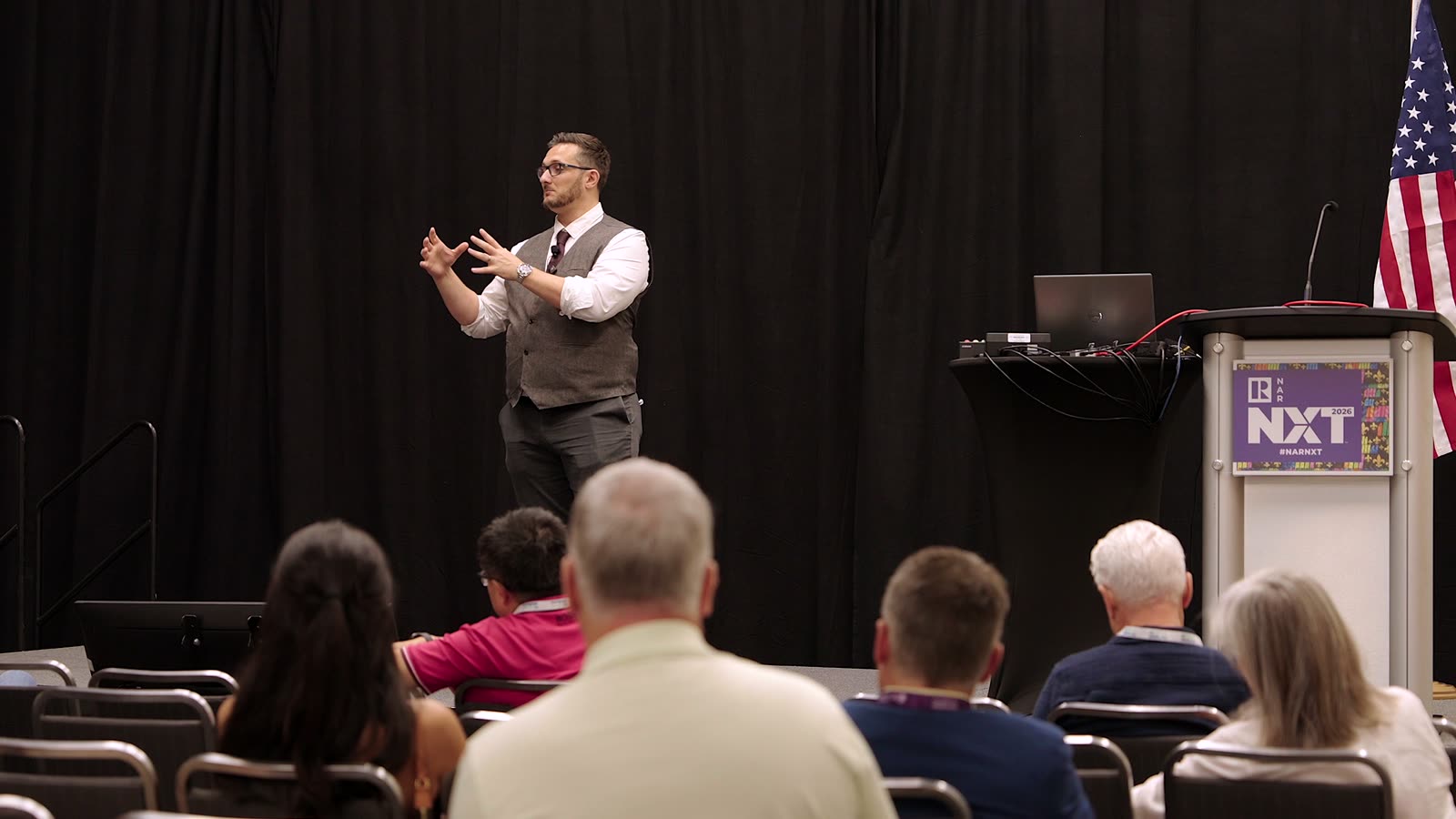
One of the most common requests I hear from event organizers is some variation of:
“Can you do a 40-minute talk followed by 20 minutes of Q&A?”
I understand why. Q&A gives the audience a chance to participate, dig deeper and ask about the parts of a presentation that matter most to them.
But I think that format has a problem.
It lets a random question decide how the session ends.
The last question might be excellent. It could open up an important conversation and give the speaker a chance to land one more valuable point.
It could also be oddly specific, repetitive, awkward or only relevant to the person asking it.
Sometimes it is not even really a question.
Whatever happens, that final exchange becomes the last thing the audience hears before leaving the room.
That matters more than it might seem.
A good speaker has usually put a lot of thought into how a presentation ends. The closing might bring the entire talk together, return to an earlier story, reinforce the central idea or give the audience a clear action to take.
The final few minutes are not leftover time. They are the landing.
When a session ends with an unpredictable Q&A, you give up control of that landing. The audience may have spent 50 minutes engaged and energized, only for the session to finish on a narrow question that drains the energy from the room.
There is a better way to do it.
Put the Q&A inside the presentation
If you want audience questions, ask the speaker to build them into the session.
They can deliver the main portion of the presentation, open the floor for questions and then reserve the final few minutes for their own closing.
That gives the audience the benefit of Q&A without making the last person holding the microphone responsible for how the entire session ends.
The speaker can answer questions, transition back into the presentation and finish with the story, idea or challenge they want people to remember.
It is a small change to the schedule, but it can make the session feel considerably stronger.
This is not about avoiding questions
Questions can make a presentation better. They help the speaker understand what the audience is thinking and give attendees something tailored to their own concerns.
The point is not to remove Q&A.
The point is to treat the ending as an important part of the experience.
Panels, interviews and workshops may work differently because audience interaction is often central to the format. But for a keynote or structured presentation, the speaker should still have an opportunity to close the loop.
Let the audience ask their questions.
Then let the speaker finish the session the way they designed it.
Q&A can belong in the presentation. It just should not own the ending.